
This cross-border toy shipping guide 2026 is the essential resource for wholesalers and retailers navigating international toy logistics. Cross-border toy shipping presents unique challenges including safety compliance, packaging requirements, customs procedures, and cost optimization. This comprehensive cross-border toy shipping guide covers shipping methods, carrier selection, documentation, tracking, and cost management strategies that will help you streamline your international toy distribution. Whether you are shipping wholesale orders to international retail customers or managing cross-border e-commerce fulfillment, this guide provides the practical knowledge you need.
Understanding Cross-Border Toy Shipping Challenges
Cross-border toy shipping involves complexities that domestic shipping does not. This guide begins by identifying the key challenges.
Safety Compliance Across Borders
Different countries have different toy safety standards. Cross-border toy shipping requires ensuring products meet destination country requirements. This guide covers major standards including ASTM F963 (US), EN71 (EU), and ISO 8124 (international), and explains how compliance documentation facilitates smooth customs clearance.
Customs Duties and Import Regulations
Cross-border toy shipping involves navigating varying duty rates, tariff classifications, and import regulations. This guide provides an overview of duty structures in major markets and strategies for minimizing duty exposure through proper classification and trade agreement utilization.
Choosing the Right Cross-Border Shipping Method
Selecting the optimal shipping method balances cost, speed, and reliability. This cross-border toy shipping guide covers all major options.
Sea Freight for Large Wholesale Shipments
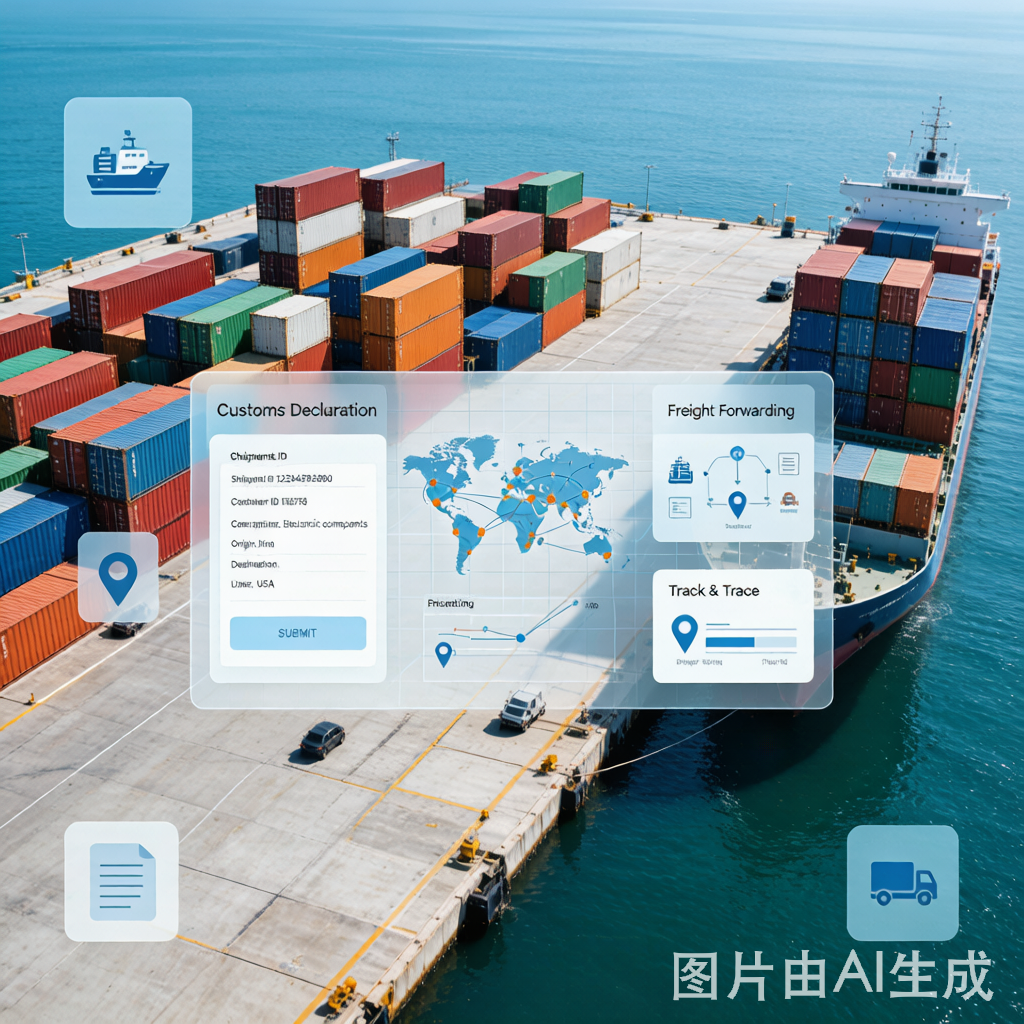
Sea freight is the most cost-effective option for cross-border toy shipping of large volumes. This guide covers FCL (Full Container Load) vs. LCL (Less than Container Load) decisions, typical transit times of 4-6 weeks, and cost structures that make sea freight ideal for orders exceeding 500kg.
Air Freight for Time-Sensitive Shipments
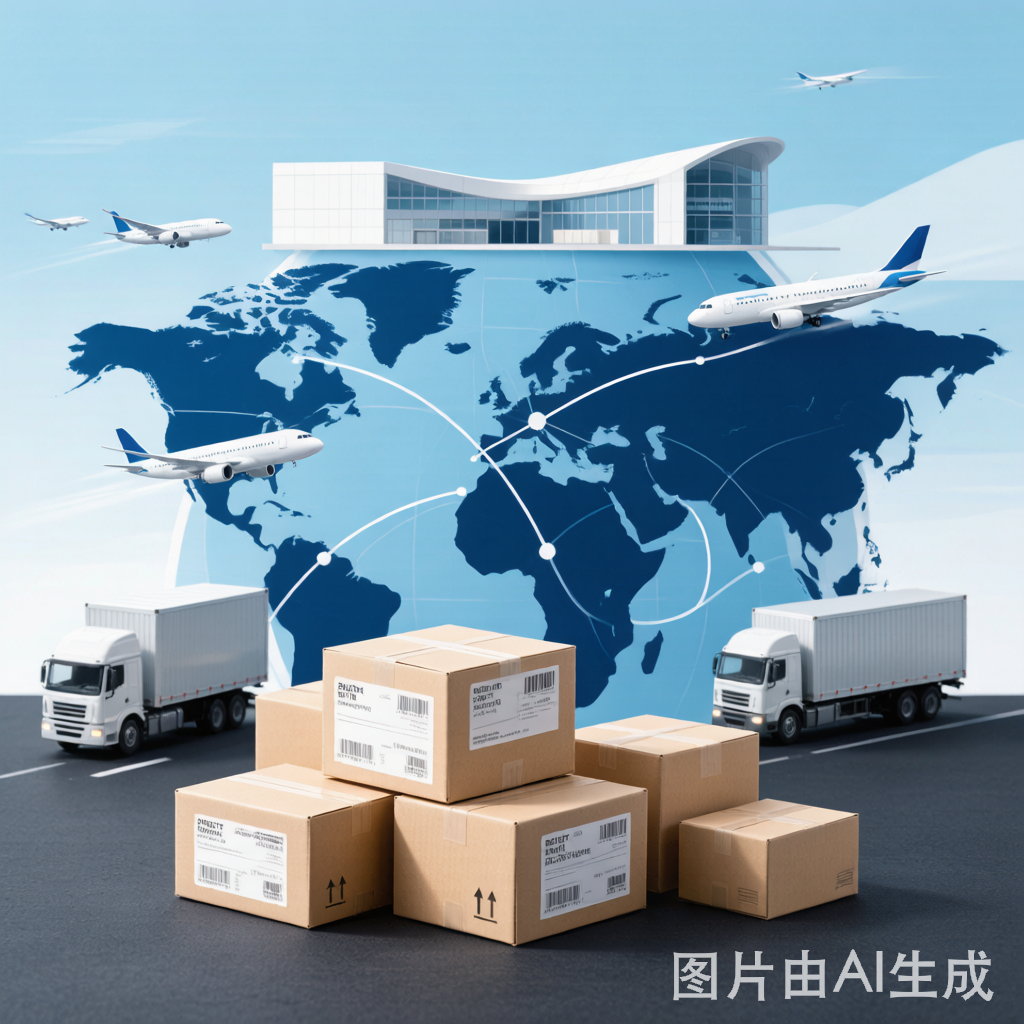
Air freight offers speed for urgent cross-border toy shipping needs. This guide covers express air freight (3-5 days) and standard air freight (5-10 days), with cost considerations that make air freight suitable for shipments under 100kg or time-critical deliveries.
Courier and Express Services for Small Parcels
For small cross-border toy shipping parcels, courier services like DHL, FedEx, and UPS offer door-to-door delivery with tracking. This guide covers pricing structures, delivery timeframes, and when courier services are more economical than freight for small shipments.
Packaging Requirements for International Toy Shipping
Proper packaging protects products and ensures compliance. This cross-border toy shipping guide covers packaging standards.
Export-Grade Packaging Standards
Cross-border toy shipping requires packaging that withstands long-distance transport, multiple handling points, and varying climate conditions. This guide covers carton strength requirements, inner packaging materials, and palletization best practices.
Mandatory Labeling and Marking
International toy shipments require specific labeling including country of origin, safety warnings, age grading, and compliance marks. This cross-border toy shipping guide provides labeling checklists for major destination markets.
Sustainable Packaging Considerations
Increasingly, destination countries are implementing packaging waste regulations. This guide covers sustainable packaging options for cross-border toy shipping that meet regulatory requirements while appealing to environmentally conscious consumers.
Documentation for Cross-Border Toy Shipping
Complete and accurate documentation is essential for smooth customs clearance. This cross-border toy shipping guide covers all required documents.
Commercial Invoice Preparation
The commercial invoice is the most critical document for cross-border toy shipping. This guide provides templates and best practices for preparing commercial invoices that include accurate product descriptions, HS codes, values, and origin information.
Packing Lists and Bills of Lading
Detailed packing lists facilitate customs inspection and inventory verification. This cross-border toy shipping guide covers packing list requirements and bill of lading types including straight B/L and negotiable B/L.
Certificates of Origin and Trade Agreements
Certificates of origin can reduce or eliminate duties under free trade agreements. This guide explains how to obtain and use certificates of origin to optimize cross-border toy shipping costs.
Managing Shipping Costs and Optimizing Expenses
Cost management is critical for profitable cross-border toy shipping. This guide provides strategies for minimizing shipping expenses.
Freight Rate Negotiation Strategies
Negotiate competitive freight rates by leveraging shipping volume, building relationships with carriers, and using freight forwarders. This cross-border toy shipping guide provides negotiation tactics and benchmark pricing information.
Container Loading Optimization
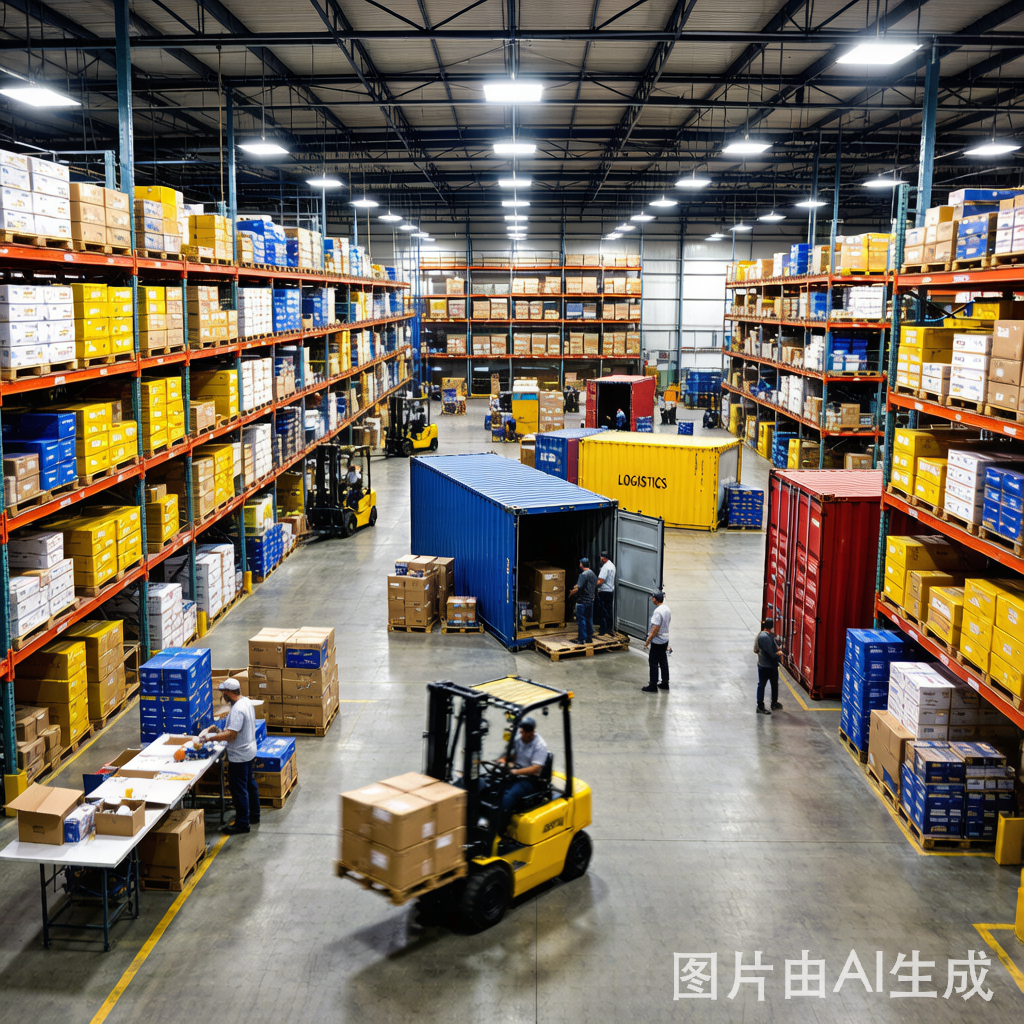
Maximize container utilization to reduce per-unit shipping costs. This cross-border toy shipping guide covers load planning, carton size optimization, and mixed-product loading strategies.
Insurance and Risk Management
Protect your shipments with appropriate cargo insurance. This guide covers insurance types, coverage levels, and claims procedures for cross-border toy shipping.
Tracking and Visibility Solutions
Shipment visibility improves customer service and operational efficiency. This cross-border toy shipping guide covers tracking technologies.
Implementing End-to-End Tracking Systems
Use tracking systems that provide real-time visibility from origin to destination. This guide covers carrier tracking, third-party tracking platforms, and IoT-enabled container tracking for cross-border toy shipping.
Managing Delivery Exceptions and Delays
Develop processes for handling delivery exceptions, customs holds, and shipping delays. This cross-border toy shipping guide provides contingency planning frameworks and customer communication templates.
FAQ: Cross-Border Toy Shipping
What is the cheapest way to ship toys internationally?
For large volumes, sea freight (LCL or FCL) is the most cost-effective cross-border toy shipping method. For shipments under 100kg, express courier services may be more economical. This guide provides detailed cost comparison frameworks.
What documents are required for cross-border toy shipping?
Cross-border toy shipping requires commercial invoice, packing list, bill of lading, certificate of origin, and safety compliance certificates. Additional documents may be required depending on destination country regulations.
How do I ensure toys pass customs inspection?
Ensure all products meet destination country safety standards, prepare complete and accurate documentation, properly label packages with required markings, and maintain compliance certificates readily available. This guide provides detailed customs preparation checklists.
Conclusion: Streamlining Your Cross-Border Toy Shipping
This cross-border toy shipping guide 2026 provides the comprehensive knowledge needed to navigate the complexities of international toy logistics. From selecting the right shipping methods and ensuring proper packaging to managing documentation, optimizing costs, and maintaining shipment visibility, each element contributes to successful cross-border toy distribution. The key is understanding the requirements of your destination markets, building relationships with reliable logistics partners, and implementing systematic processes that ensure compliance and efficiency. Whether you manage shipping in-house or work with a logistics partner, this guide empowers you to make informed decisions that reduce costs and improve delivery reliability. Explore the HATCHX wholesale catalog for products with complete export documentation and let us support your cross-border toy shipping needs with our logistics expertise.