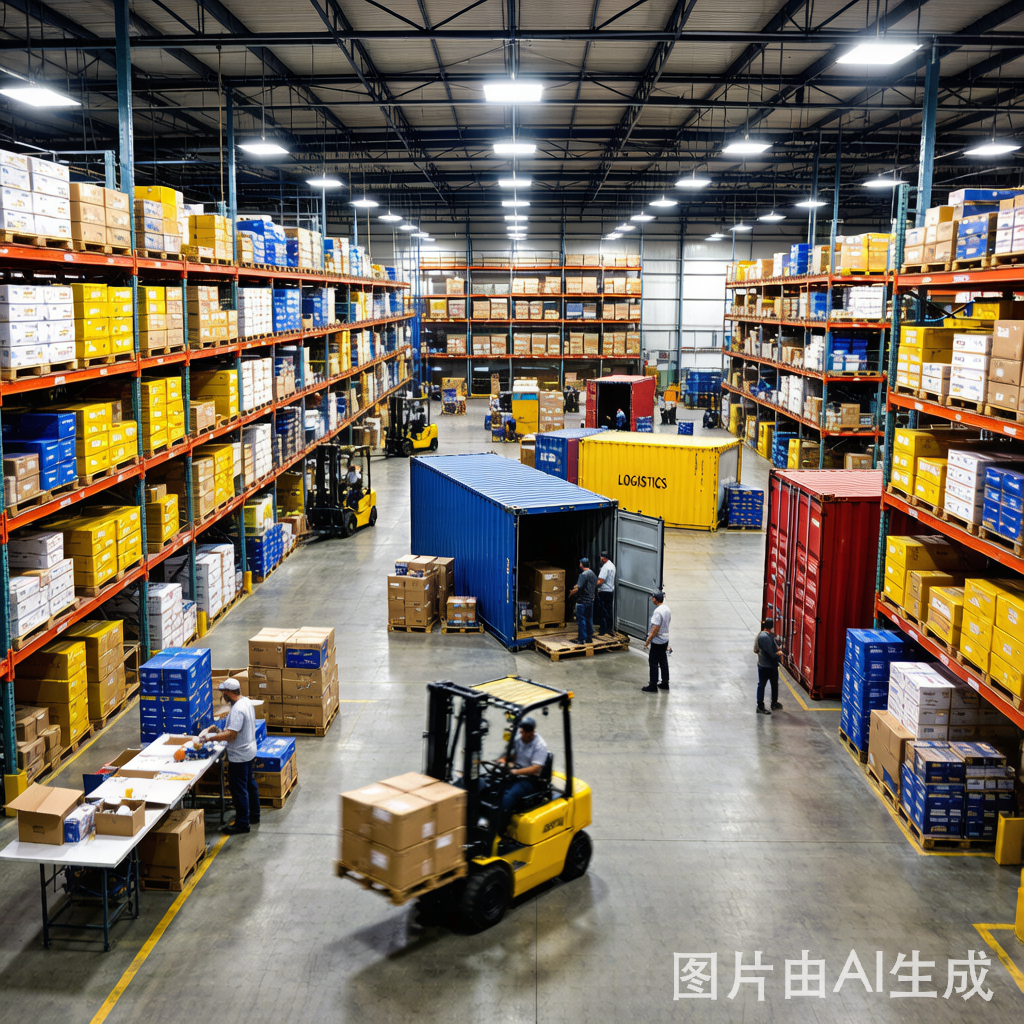

This toy import guide 2026 is the comprehensive resource for businesses looking to import toys from China and other manufacturing hubs. The toy import guide 2026 covers every step of the import process—from finding manufacturers and negotiating terms to navigating customs, ensuring compliance, and managing logistics. Whether you are a first-time importer or an experienced buyer looking to optimize your supply chain, this toy import guide 2026 provides the practical knowledge and strategic insights you need to import toys successfully and profitably.
Understanding the Toy Import Landscape in 2026
The toy import guide 2026 begins with an overview of the global toy manufacturing landscape and import market dynamics.
China’s Dominance in Toy Manufacturing
China remains the world’s largest toy manufacturer, producing approximately 70% of global toy supply. The toy import guide 2026 notes that while manufacturing diversification is occurring, China’s established infrastructure, skilled workforce, and scale advantages make it the primary sourcing destination for most toy importers.
Emerging Alternative Manufacturing Hubs
Vietnam, India, and Mexico are developing toy manufacturing capabilities. The toy import guide 2026 provides insights into these alternative markets, noting that while they offer supply chain diversification benefits, they currently lack China’s depth of supplier networks and production capacity.
Finding and Vetting Chinese Toy Manufacturers
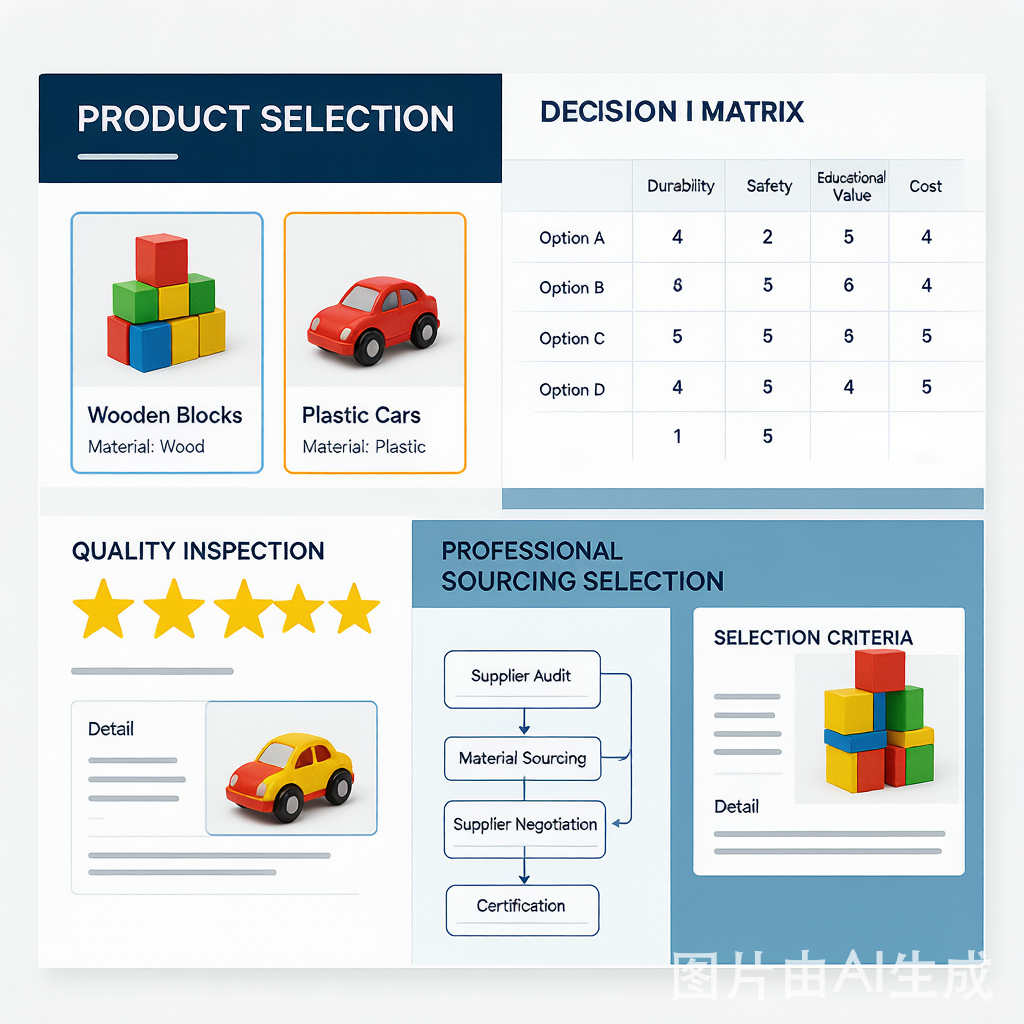
Manufacturer selection is the most critical decision in the toy import process. This toy import guide 2026 provides comprehensive guidance.
Using B2B Platforms and Trade Shows
Identify manufacturers through platforms like Alibaba and Global Sources, and by attending trade shows including the Canton Fair and Hong Kong Toys and Games Fair. The toy import guide 2026 recommends cross-referencing supplier listings across multiple platforms to verify legitimacy.
Factory Audit and Verification Process
Before placing orders, conduct thorough factory audits. The toy import guide 2026 recommends verifying business licenses, production capacity, quality control systems, and safety compliance certifications. Third-party audit services provide independent verification of manufacturer capabilities.
Requesting and Evaluating Samples
Always request physical samples before committing to production orders. The toy import guide 2026 emphasizes evaluating samples for material quality, construction, finish, functionality, and safety. Sample evaluation is your last quality checkpoint before bulk production.
Navigating Toy Safety Compliance Requirements
Safety compliance is non-negotiable in toy import. This toy import guide 2026 covers essential compliance standards.
US Market: CPSC and CPSIA Compliance
Toys imported into the US must comply with Consumer Product Safety Improvement Act (CPSIA) requirements. The toy import guide 2026 outlines mandatory testing for lead content, phthalates, and small parts, as well as labeling requirements including tracking labels and age grading.
EU Market: CE Marking and EN71 Standards
Toys sold in the European Union require CE marking and compliance with EN71 safety standards. The toy import guide 2026 details the testing requirements for physical, mechanical, flammability, and chemical safety, as well as documentation requirements including technical files and declaration of conformity.
Documentation and Certification Management
Maintain complete compliance documentation including test reports, certificates of conformity, and safety data sheets. The toy import guide 2026 recommends organizing documentation by product and keeping digital copies accessible for customs inspections and regulatory audits.
Import Logistics and Shipping Strategies
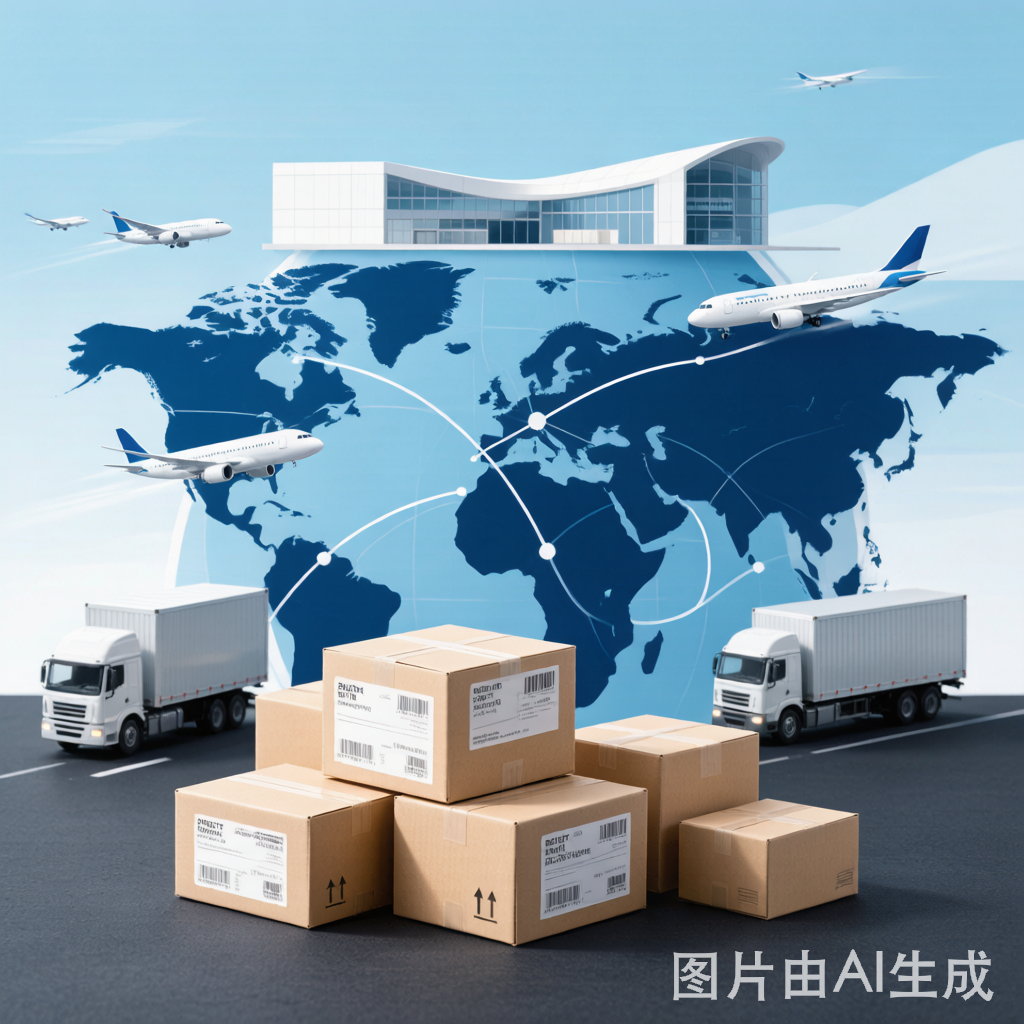
Efficient logistics management controls costs and ensures timely delivery. This toy import guide 2026 covers shipping options and strategies.
Sea Freight vs. Air Freight Decision Framework
Sea freight offers significant cost savings for large shipments but requires 4-6 week transit times. The toy import guide 2026 recommends sea freight for orders exceeding 500kg and air freight for urgent or small shipments under 100kg.
Container Loading and Packaging Optimization
Optimize container loading to maximize shipping efficiency. The toy import guide 2026 provides guidance on carton sizing, pallet configuration, and container loading plans that minimize wasted space and reduce per-unit shipping costs.
Working with Freight Forwarders
Engage experienced freight forwarders who understand toy import requirements. The toy import guide 2026 recommends obtaining quotes from multiple forwarders and verifying their experience with toy shipments and relevant customs procedures.
Customs Clearance and Import Duties
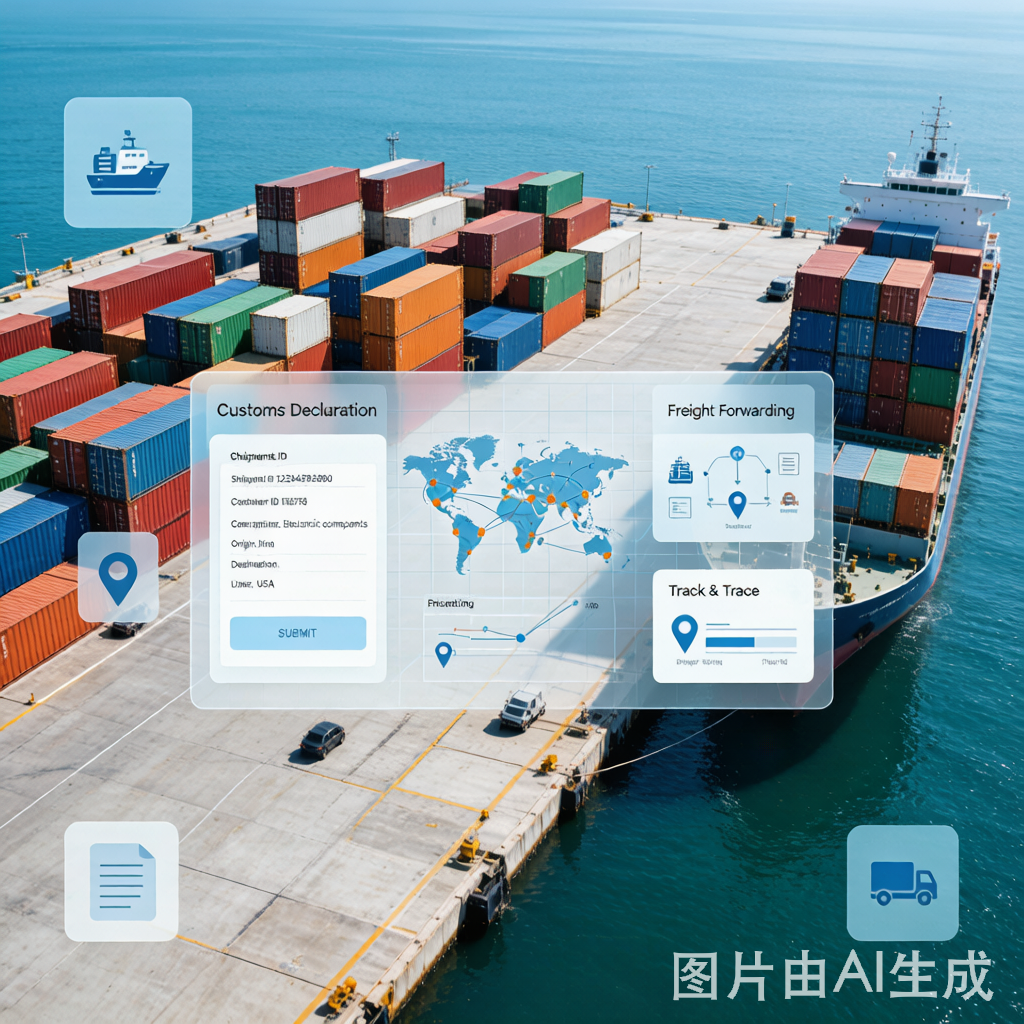
Understanding customs procedures prevents delays and unexpected costs. This toy import guide 2026 covers essential customs considerations.
HTS Classification and Duty Rates
Toys are typically classified under HTS code 9503, with most toy categories entering the US at 0% duty rate. The toy import guide 2026 notes that while US toy duties are generally favorable, other markets may have significant tariff rates that affect landed cost calculations.
Customs Documentation Requirements
Prepare complete customs documentation including commercial invoice, packing list, bill of lading, and certificates of origin. The toy import guide 2026 emphasizes that incomplete or inaccurate documentation is the most common cause of customs delays.
Managing Customs Inspections
Toy shipments may be selected for customs inspection, particularly for safety compliance verification. The toy import guide 2026 recommends ensuring all compliance documentation is readily available and that packaging clearly displays required safety markings.
Payment Terms and Financial Risk Management
Managing financial risk is essential when importing toys. This toy import guide 2026 covers payment strategies.
Negotiating Payment Terms with Manufacturers
Common payment structures include 30% deposit with 70% before shipment, or letter of credit for larger orders. The toy import guide 2026 recommends using trade assurance or escrow services for initial orders with new suppliers.
Calculating Total Landed Cost
Accurately calculate total landed cost including product cost, shipping, insurance, duties, customs fees, and inland transportation. The toy import guide 2026 provides a comprehensive landed cost calculation framework that prevents margin erosion from overlooked costs.
Quality Control and Pre-Shipment Inspection
Quality control prevents costly returns and reputation damage. This toy import guide 2026 covers QC best practices.
Implementing Pre-Shipment Inspections
Engage third-party inspection services to verify product quality before shipment. The toy import guide 2026 recommends AQL (Acceptable Quality Limit) sampling standards and provides guidance on inspection criteria including functionality, appearance, and packaging.
FAQ: Toy Import Guide 2026
What documents do I need to import toys from China?
The toy import guide 2026 identifies essential documents: commercial invoice, packing list, bill of lading, certificates of origin, safety test reports (ASTM/EN71), and for US imports, CPSC-compliant testing documentation and children’s product certificates.
How long does it take to import toys from China?
According to the toy import guide 2026, typical timelines include 2-4 weeks for production, 1-2 weeks for quality inspection and preparation, and 4-6 weeks for sea freight or 5-7 days for air freight. Total timeline: 7-12 weeks for sea freight.
What are the main safety standards for imported toys?
The toy import guide 2026 highlights ASTM F963 and CPSIA for the US market, EN71 for the EU market, and ISO 8124 for international standards. All imported toys must carry appropriate safety certifications and labeling.
Conclusion: Mastering Toy Import for Business Growth
This toy import guide 2026 provides the comprehensive knowledge needed to import toys successfully from China and other manufacturing hubs. From finding reliable manufacturers and ensuring safety compliance to managing logistics, navigating customs, and controlling quality, each step in the import process contributes to your business success. The key is thorough preparation, attention to compliance requirements, and building strong relationships with trusted suppliers and service providers. Whether you import directly or work with a sourcing partner, understanding the import process empowers you to make better decisions and avoid costly mistakes. Explore the HATCHX wholesale catalog for pre-vetted, compliance-ready products that simplify the import process and let you focus on growing your business.